

Why Hardware Still Wins in 2026: Longevity, Licensing, and the MPC Ecosystem
In an era of expiring licenses and corporate buyouts, it’s time to ask: Do you actually own your studio, or are you just renting it?

The Native Instruments Moment
All right—what’s up, Lab Crew?
The other day we posted about Native Instruments’ insolvency, and they actually responded. Their reply wasn’t particularly reassuring.
It raises a bigger question: given what’s happening to Native Instruments, is hardware actually the smarter option moving forward in music production?
Let’s break this down.
The Risk of Software-Dependent Hardware
Native Instruments also makes hardware, but it’s deeply tied to their software ecosystem. That means any company that acquires NI would likely need to take on both the hardware and the software.
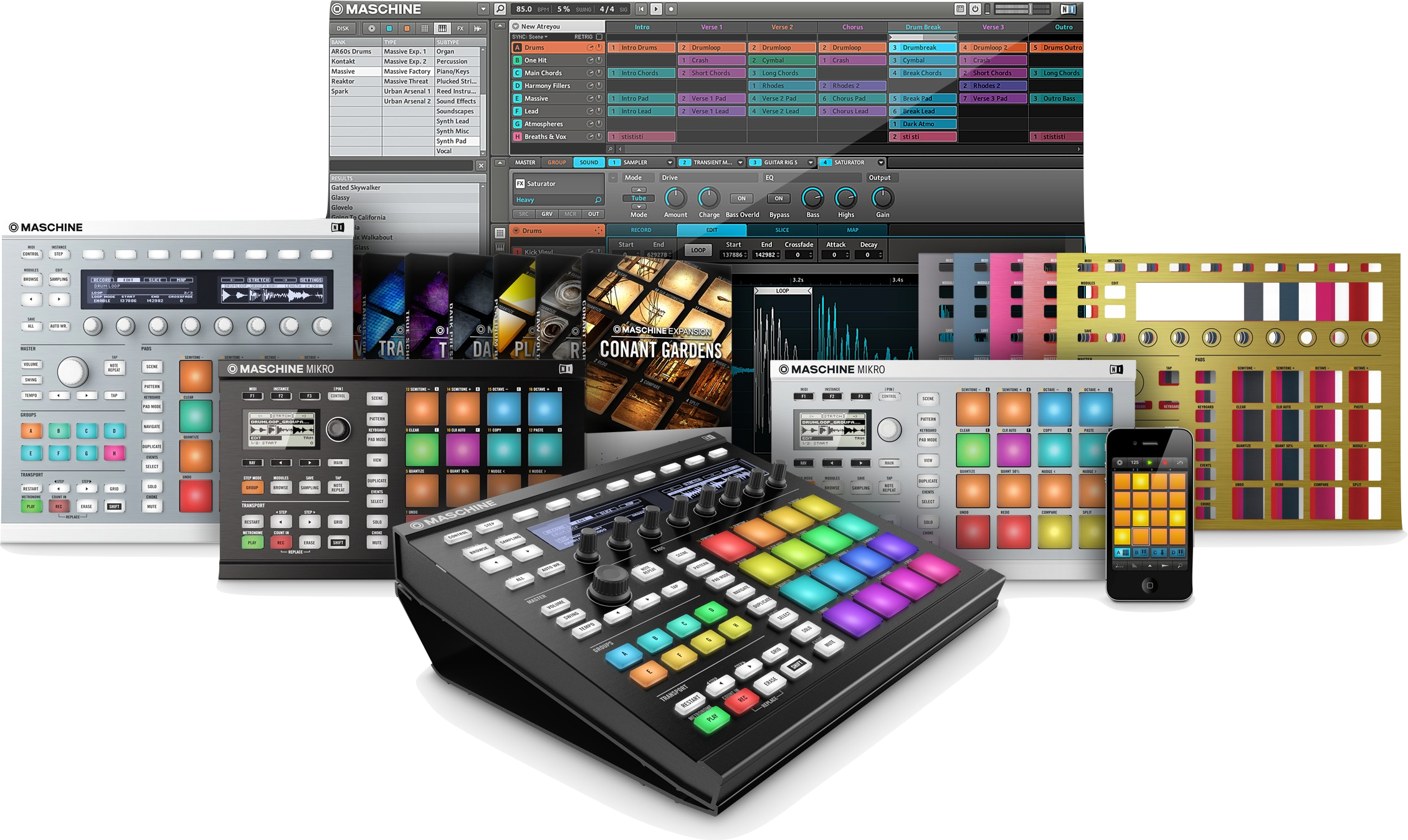
From a business standpoint, software is generally easier and cheaper to maintain than hardware. If NI has to cut costs, the hardware side could very well be what gets scaled back—or eliminated altogether.
If that happens, users are left at the mercy of whoever buys the company. A new owner could discontinue the hardware entirely, leaving you dependent on software alone. So even “hardware” that is heavily integrated with software still carries risk.
Where the MPC Differs
The MPC ecosystem is also hardware-software integrated, but there’s a crucial difference: you don’t actually need a computer to use most MPCs.
Some newer models function more like controllers, but the core of the MPC line remains self-contained. You can make full productions directly on the hardware itself.
If we compare this to modern workstations like the Fantom or the Montage/MODX, they already function like hybrid DAWs: multi-track recording, audio tracks, MIDI tracks, and built-in instruments. In many ways, they give you similar creative power to a computer-based DAW.
We haven’t really seen a major DAW disappear in the modern era—but that doesn’t mean it can’t happen.
The Problem of Licensing and Activations
When a company gets acquired, it isn’t just hardware that can change. Licensing and activation systems can change too.
Maybe a company shifts from iLok to a proprietary system, or vice versa. Maybe they introduce new installers that don’t work well with your current OS. Suddenly, your tools still exist—but your workflow is disrupted.
Personally, I like being fully integrated within one ecosystem. If I’m using Ableton, I mostly use Ableton instruments. If I’m in an Akai ecosystem, I prefer staying inside of it for consistency of sound and workflow.
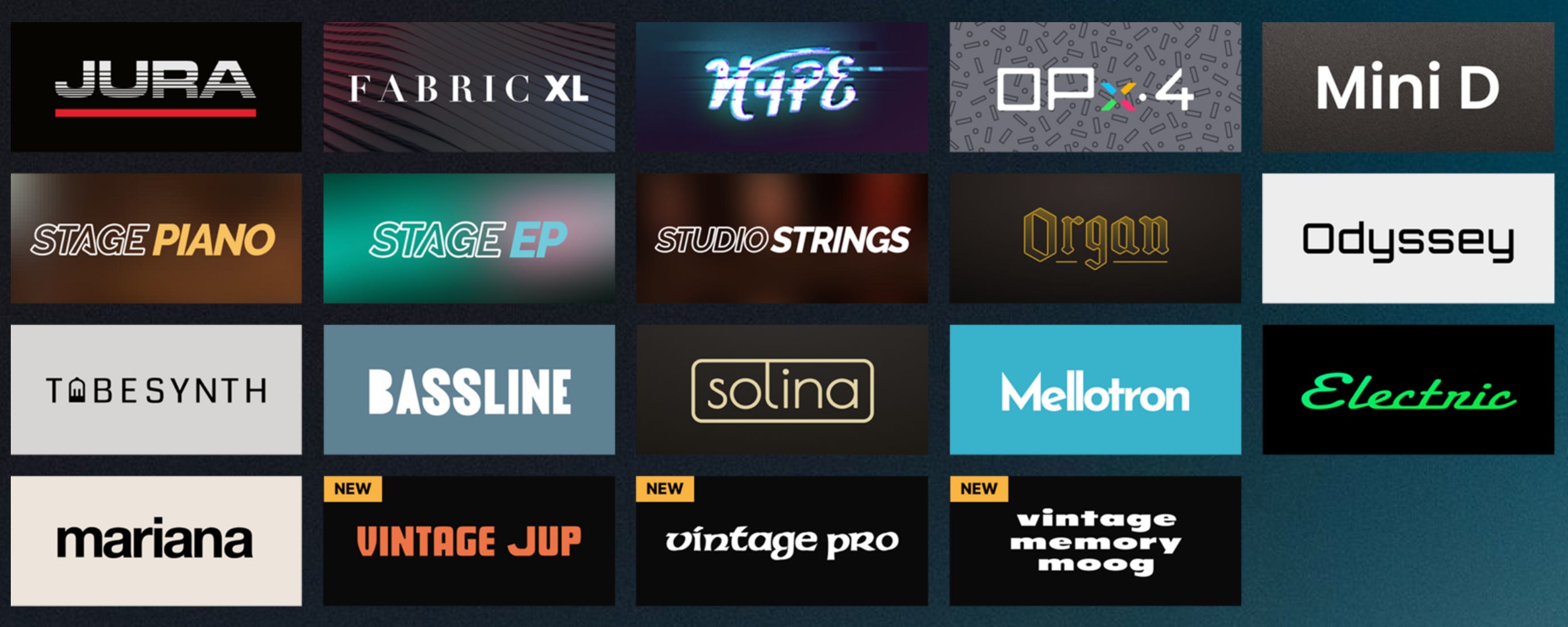
If NI assets get split across multiple companies, that could mean:
One installer for Fabric XL
A different activation for A-Strings
Another system for Kontakt
It’s not the end of the world, but it’s friction—especially for producers who value a streamlined setup.
Why Hardware Offers Real Longevity
If you go the hardware route, you don’t have to worry about activations. The instrument is already there, fully functional the moment you power it on.
Even when modern hardware has software features, companies can choose to unlock or permanently enable them if they discontinue support—similar to how some gaming platforms have handled old controllers or devices after shutting down services.
With hardware, you’re buying built-in longevity.
It’s also inherently modular. I can use a Prophet today, a Fantom tomorrow, an Iridium the next day, or a Waldorf Micro Q whenever I want. All of these can coexist in the same project, especially when routed through an MPC.
With recent updates, the MPC now supports:
16 audio tracks
32 software instrument tracks
That’s serious production power entirely within hardware.
There are still people in 2026 making music on MPC 2000s and 3000s. I genuinely believe that 50 years from now, people will still be using the Akai Force, MPC Live 2, and similar machines.

As long as you have access to an electronics repair technician, your hardware can outlive most software ecosystems.
Software vs. Hardware Sound
Right now, a huge amount of software is literally trying to emulate hardware.
What you’re really paying for with software is convenience—not necessarily authenticity. That doesn’t mean you can’t make incredible digital music, but there is a subtle difference between analog circuitry and digital algorithms.
Anyone who has spent time with real analog gear can feel that nuance.


Creativity, Skill, and Constraint
Using hardware requires more intention and skill. You can’t just drag and drop MIDI files endlessly or rely purely on presets.
But that constraint can actually make you more creative.
With modern MPCs, MIDI devices, Eurorack, pedals, and tools like the Hologram Microcosm, hardware setups can push you into more experimental, organic, and unpredictable territory—often in ways software struggles to replicate.
Final Thoughts – What This Means for You
Native Instruments’ situation isn’t the end of the world—but it is a wake-up call.
It might be time to revisit some of the older, more foundational production skills—the ones that don’t depend on a subscription, an activation server, or a company’s financial stability.
Hardware may not be the only answer, but it offers something software never fully can: independence.
Ownership, we need.